


Hyperacidity and heartburn are common digestive issues caused by excess stomach acid. They often lead to chest discomfort, bloating, and a sour taste after meals.
While medications provide relief, diet plays a vital role in managing and preventing these conditions.
Foods That Soothe the Stomach
- Oatmeal & Whole Grains: Fiber-rich options like oatmeal, brown rice, and whole-grain bread absorb excess acid and aid digestion.

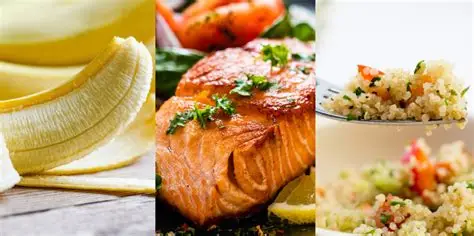
- Bananas & Non-Citrus Fruits: Bananas, apples, pears, melons, and papaya are low-acid choices that protect the stomach lining.

- Vegetables: Broccoli, cabbage, spinach, lettuce, cucumbers, and green beans are naturally low in fat and acid, helping neutralize stomach acid.

- Ginger: Known for anti-inflammatory properties, ginger reduces irritation and supports digestion.

- Lean Proteins: Skinless poultry, fish, tofu, and egg whites provide nutrients without triggering reflux.
- Low-Fat Dairy: Yogurt, milk, and cheese—especially probiotic-rich yogurt—promote gut health and ease acidity.

- Herbal Teas: Chamomile, licorice root, and fennel teas calm the stomach and reduce inflammation.

Foods to Limit or Avoid
Spicy dishes, fried foods, citrus fruits, tomatoes, chocolate, coffee, soda, and alcohol can worsen symptoms by increasing acid production or relaxing the esophageal sphincter.
Lifestyle Tips
- Eat smaller, frequent meals
- Avoid lying down after eating
- Stay hydrated
- Skip late-night meals
- Maintain a healthy weight
Choosing fiber-rich grains, non-acidic fruits, vegetables, lean proteins, and soothing drinks—combined with healthy habits—can naturally ease hyperacidity and heartburn. #END
FEATURED IMAGE COURTESY: MSN
