


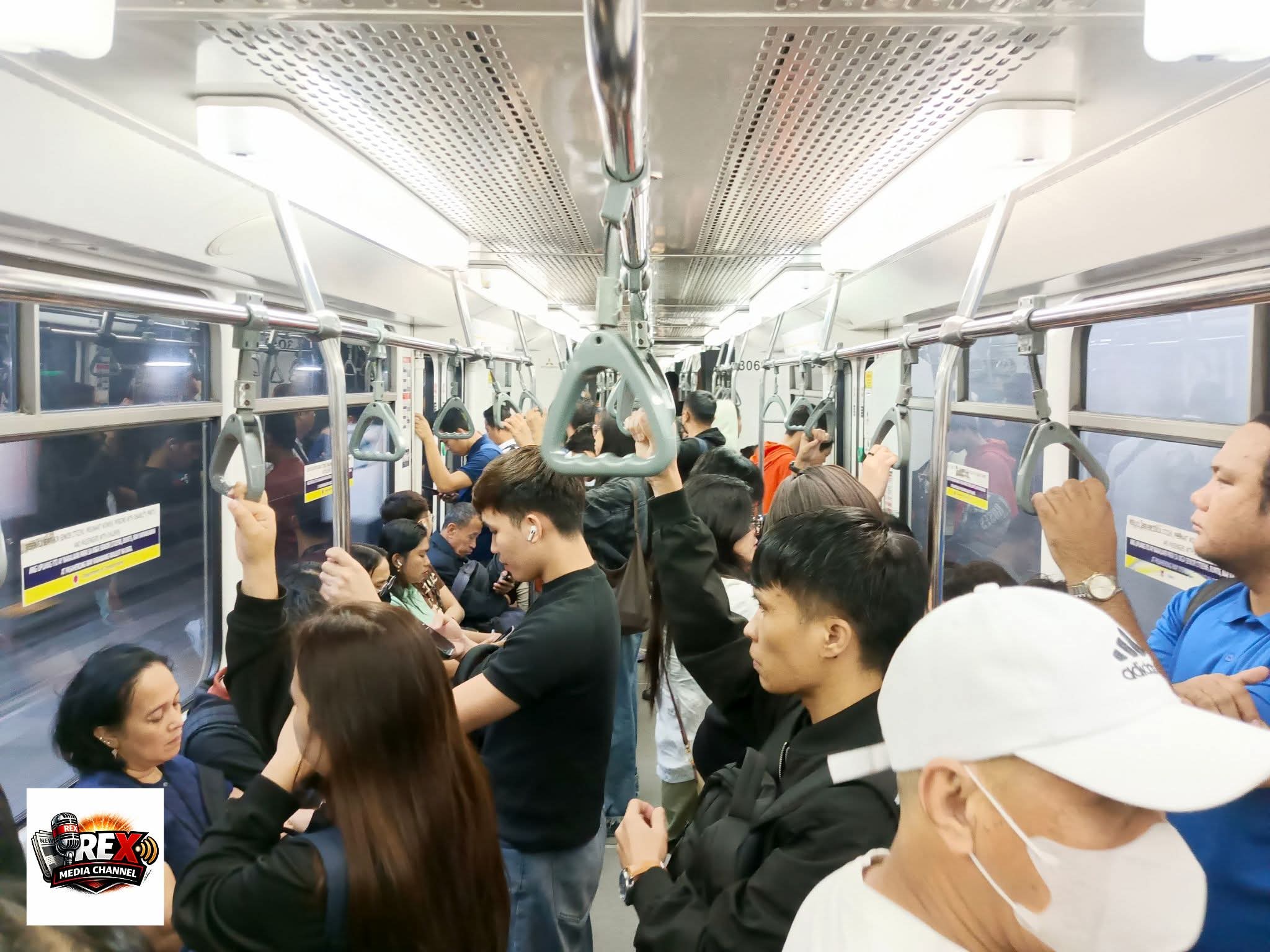
MANILA — March 16, 2026. The surge of commuters across the National Capital Region (NCR) in recent weeks is drawing attention not only as a transportation issue but also as a reflection of the mounting economic pressures faced by ordinary Filipinos.
With continuous oil price hikes—driven by global demand and the ongoing conflict in the Middle East—fuel costs have become increasingly burdensome for motorists. Many have opted to leave their private vehicles at home, relying instead on public transportation to cut daily expenses.
Crowds at PITX Terminal
Last Saturday, March 14, theParañaque Integrated Terminal Exchange (PITX) saw an unexpected surge in passengers, with crowds nearly doubling compared to normal weekends. Terminal management admitted they did not anticipate such a sharp increase in travelers heading back to their provinces.
Impact on Transportation Capacity
Observers warn that if this trend continues, it could lead to shortages in land transportation services. When passenger demand exceeds the capacity of buses and public vehicles, commuters will bear the brunt of the inconvenience, facing longer waits and overcrowded rides.
Economic Pressures on Daily Life
The rising number of commuters underscores how global economic challenges are filtering down to everyday life in the Philippines. For many, the choice to commute is a direct response to the rising cost of living, particularly fuel prices.
Unless long-term solutions are implemented—such as stabilizing fuel costs and improving the country’s transportation system—the burden will continue to fall on the shoulders of the commuting public. #RBM
By Rex Molines
