


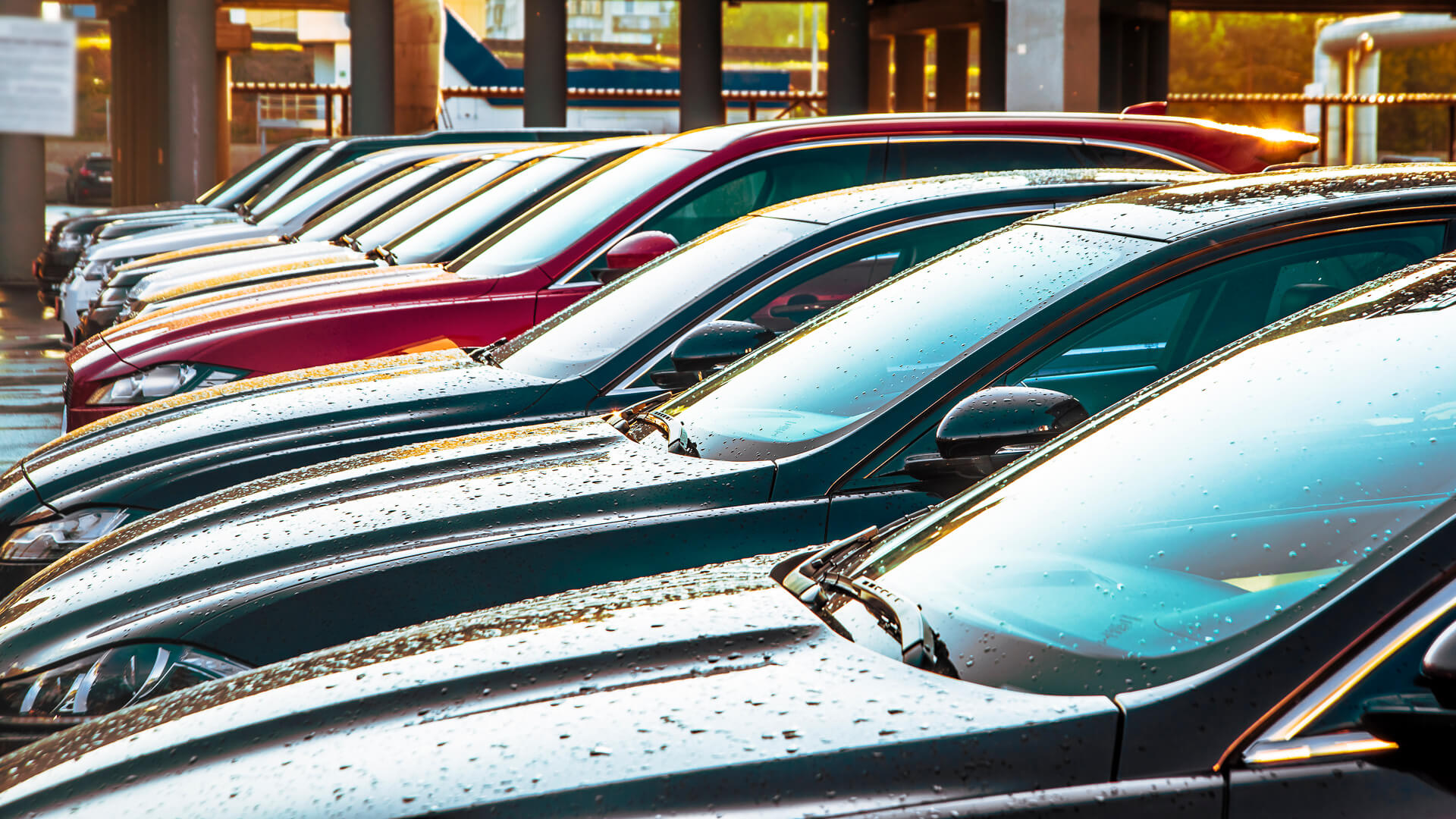
MANILA — A proposed measure in the House of Representatives seeks to increase taxes on luxury vehicles and other non-essential goods while removing perfumes and toilet water from the list of products subject to the tax.
House Bill No. 11465, filed by House Ways and Means Committee Chair Rep. Miro Quimbo on September 23, 2026, proposes amendments to Sections 149 and 150 of the National Internal Revenue Code of 1997. The bill is currently pending First Reading.
Under the proposal, vehicles priced at more than ₱4 million up to ₱8 million would be subject to a 50% ad valorem tax, while vehicles costing more than ₱8 million would face a 75% tax.
The existing 10% and 20% tax rates for vehicles priced at ₱4 million and below would remain unchanged.
Quimbo said the proposed changes could generate an estimated additional ₱3.91 billion in annual government revenue, which could be used to fund government programs.
Higher Tax on Non-Essential Goods
The bill also proposes increasing the tax on non-essential goods from 20% to 25%.
The proposed coverage would specifically include yachts, jet skis, speedboats, sailboats, motorboats, aircraft, planes, jets and helicopters purchased for pleasure, private use or sports.
At the same time, perfumes and toilet water would be removed from the list of goods subject to the tax.
Purpose of the Proposal
Quimbo said the measure seeks to promote greater tax progressivity by placing higher taxes on high-value and luxury goods generally purchased by consumers with greater disposable income and capacity to pay.
He also said higher taxes on discretionary luxury purchases could discourage conspicuous consumption and encourage households to allocate more resources to savings, investments and other productive spending.
According to Quimbo, strengthening the taxation of luxury consumption is intended to make the Philippine tax system more progressive.
However, House Bill No. 11465 remains a proposal and is not yet a law. It must undergo committee deliberations and the legislative process before it can be enacted. #
