


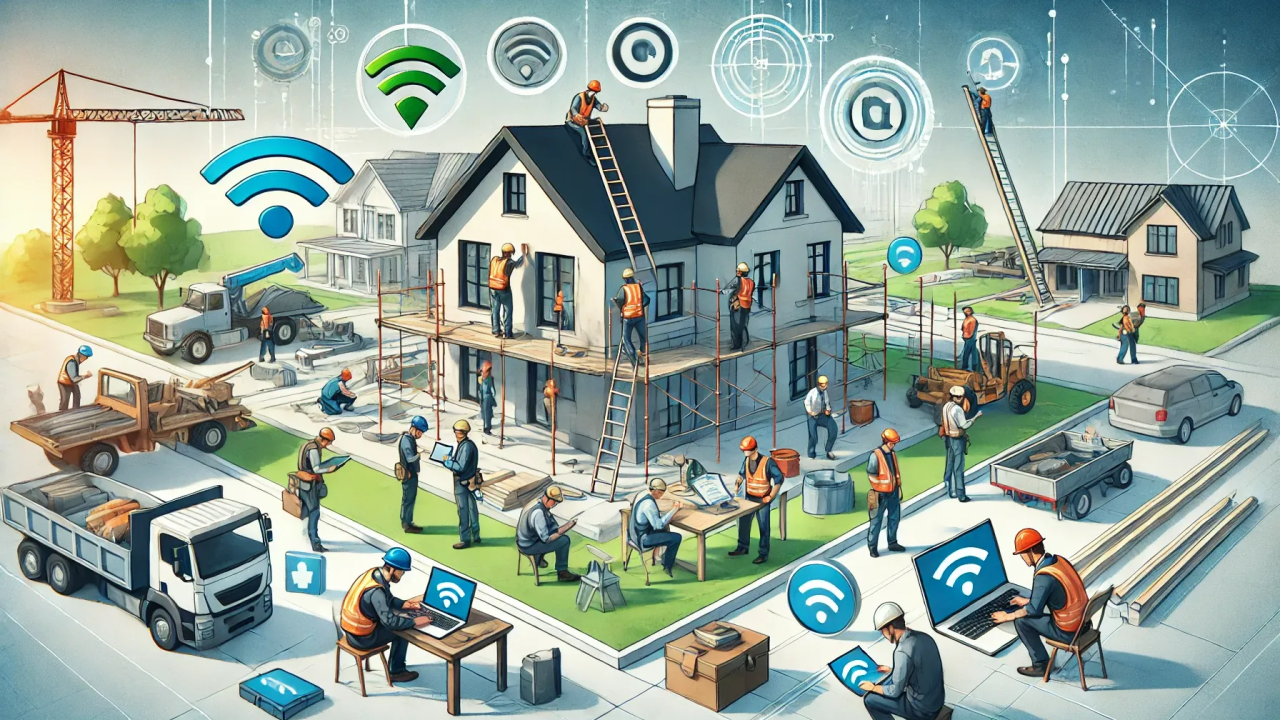
Artificial intelligence (AI) is transforming industries, and construction is no exception.
AI technology is revolutionizing how houses are designed, built, and managed, offering numerous benefits from increased efficiency to enhanced sustainability. This article explores the various ways AI is being used in house construction and what the future holds for this exciting intersection of technology and architecture.
AI-Powered Design and Planning
AI algorithms can analyze vast datasets of architectural designs, material properties, and environmental factors to generate optimal house designs. This includes:
– Generative Design: AI can create multiple design options based on specified constraints and preferences, allowing architects and homeowners to explore innovative and efficient layouts.
– Building Information Modeling (BIM): AI enhances BIM by automating clash detection, optimizing energy performance, and predicting potential issues during construction.
– Virtual Reality (VR) and Augmented Reality (AR): AI-driven VR and AR applications enable stakeholders to visualize and interact with designs in a realistic environment, improving communication and decision-making.
Automated Construction Processes
AI-powered robots and machines are automating many labor-intensive tasks, leading to faster and more precise construction:
– 3D Printing: AI controls 3D printers that can construct entire houses or individual components using materials like concrete, polymers, and recycled plastics.
– Robotic Assembly: Robots equipped with AI algorithms can perform tasks such as bricklaying, welding, and drywall installation with greater speed and accuracy than human workers.
– Autonomous Vehicles: Self-driving vehicles transport materials and equipment around construction sites, optimizing logistics and reducing delays.
Enhanced Project Management
AI provides project managers with powerful tools to monitor progress, manage resources, and mitigate risks:
– Predictive Analytics: AI algorithms analyze historical data to predict potential delays, cost overruns, and safety hazards, allowing project managers to take proactive measures.
– Real-Time Monitoring: Drones and sensors equipped with AI monitor construction sites in real-time, providing valuable insights into progress, safety, and environmental conditions.
– Resource Optimization: AI optimizes the allocation of resources, such as labor, materials, and equipment, ensuring efficient use and minimizing waste.
Improved Safety and Sustainability
AI contributes to safer and more sustainable house construction:
– Safety Monitoring: AI-powered cameras and sensors detect unsafe conditions and behaviors on construction sites, alerting workers and supervisors to potential hazards.
– Waste Reduction: AI optimizes material usage and reduces waste by accurately estimating quantities and identifying opportunities for recycling and reuse.
– Energy Efficiency: AI designs and controls building systems to minimize energy consumption and reduce carbon emissions, creating more sustainable homes.
Challenges and Future Trends
Despite its potential, AI adoption in house construction faces challenges such as high initial costs, lack of skilled workers, and regulatory hurdles. However, as AI technology becomes more accessible and affordable, its use in construction is expected to grow rapidly. Future trends include:
– AI-Driven Customization: AI will enable homeowners to customize their houses to an unprecedented degree, tailoring designs and features to their individual needs and preferences.
– Smart Homes: AI will integrate seamlessly with smart home systems, optimizing energy usage, enhancing security, and providing personalized comfort and convenience.
– Remote Construction: AI will enable remote construction in challenging environments, such as disaster zones and remote areas, providing safe and affordable housing solutions.
In conclusion, AI technology is transforming house construction, offering numerous benefits in terms of efficiency, safety, sustainability, and customization. As AI continues to evolve, it will play an increasingly important role in shaping the future of housing, creating homes that are smarter, more sustainable, and better suited to the needs of their occupants. ##
PHOTO CREDIT: Linkedin/ContractorStaffingSource
